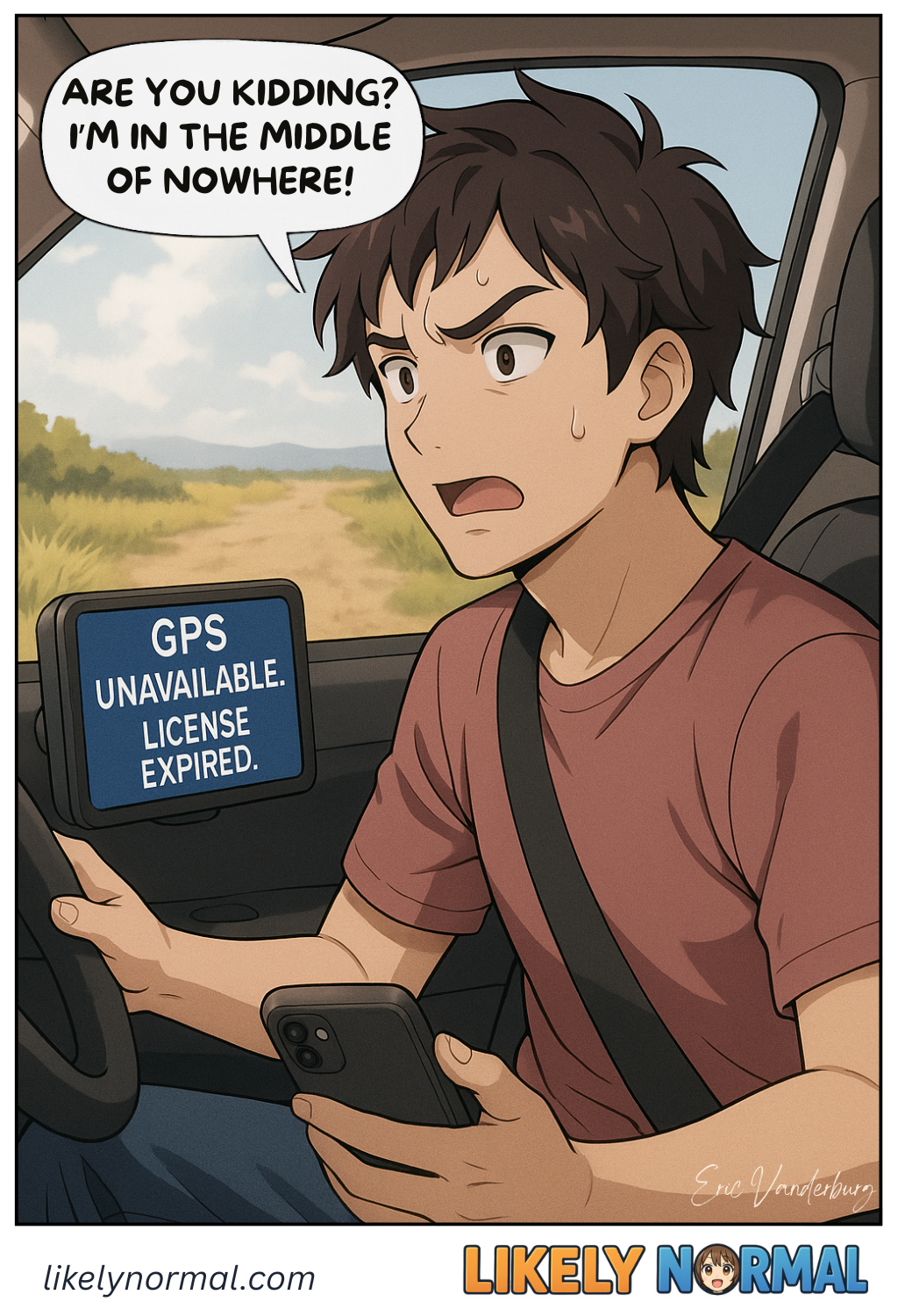
Offline Map Crisis
Imagine this: You’re running late for work when your car suddenly decides today is the day your premium driving Experience subscription lapses. Your GPS vanishes. Your heated seats go cold. Even your turn signals stop working until you cough up $4.99/month. This isn’t some dystopian fantasy – it’s the inevitable future we’re speeding toward as automakers turn basic vehicle functions into subscription services.
We’ve already seen the warning signs. Jaguar wants monthly payments for GPS and other online features, BMW tried charging $18/month for heated seats. Tesla locks full self−driving capabilities behind a paywall. Mercedes offers a $1,200/year subscription to… make your car accelerate faster. This isn’t innovation – it’s digital exploitation posing as convenience, and it’s coming for every feature in your vehicle.
The implications are terrifying:
- Safety features held hostage: What happens when your automatic emergency braking stops working because you missed a payment?
- Predatory pricing models: That $35,000 car could cost thousands more per year just to use the features you already paid for
- The used car apocalypse: Imagine buying a pre-owned vehicle only to discover half its functions require subscriptions the original owner stopped paying
- Maintenance blackmail: “Your oil change is due! Renew your Vehicle Care Package to unlock your hood release”
This isn’t just about convenience – it’s about control. When automakers can remotely disable your car’s functionality, they own your vehicle more than you do. That check engine light might just mean “check your credit card balance.”
The time to push back is now. Demand right-to-repair laws. Fight against feature paywalls. And maybe – just maybe – keep that 2004 Corolla in the garage as your apocalypse backup vehicle. Because the open road should belong to drivers, not shareholders. Your ability to drive shouldn’t come with a monthly fee.
Wake up, people – the subscription apocalypse is coming, and it’s going to hit us at 70mph on the freeway when we can least afford it.
Discussion ¬